
Shipping costs can quickly eat into your profit margins.
Many WooCommerce store owners struggle to reduce shipping costs without affecting delivery speed or customer satisfaction. At first, it seems like small adjustments can fix the issue. But as orders grow, the problem becomes harder to control.
Most businesses try basic fixes. They change packaging or negotiate with carriers. While these steps help, they do not solve the root issue. The real challenge is how orders are fulfilled and how far they need to travel.
Recent e-commerce growth trends show that more businesses are expanding across regions. This makes it even more important to lower shipping costs in a structured way instead of relying on short-term fixes.
WooCommerce stores often rely on a single warehouse. This creates longer delivery distances and higher costs. As a result, businesses struggle to lower transport expenses even when they optimize other areas.
If you want to reduce shipping costs effectively, you need to look beyond basic tactics. You need a system that connects inventory, locations, and delivery logic.
In this guide, we will break down the real reasons shipping costs increase and show practical ways to reduce transport expenses in WooCommerce stores. We will also explore how a smarter multi-location approach can help you reduce shipping costs at scale.
In the next section, we will understand why shipping costs are high in WooCommerce stores.
2. Why Shipping Costs Are High for Small Business WooCommerce Stores
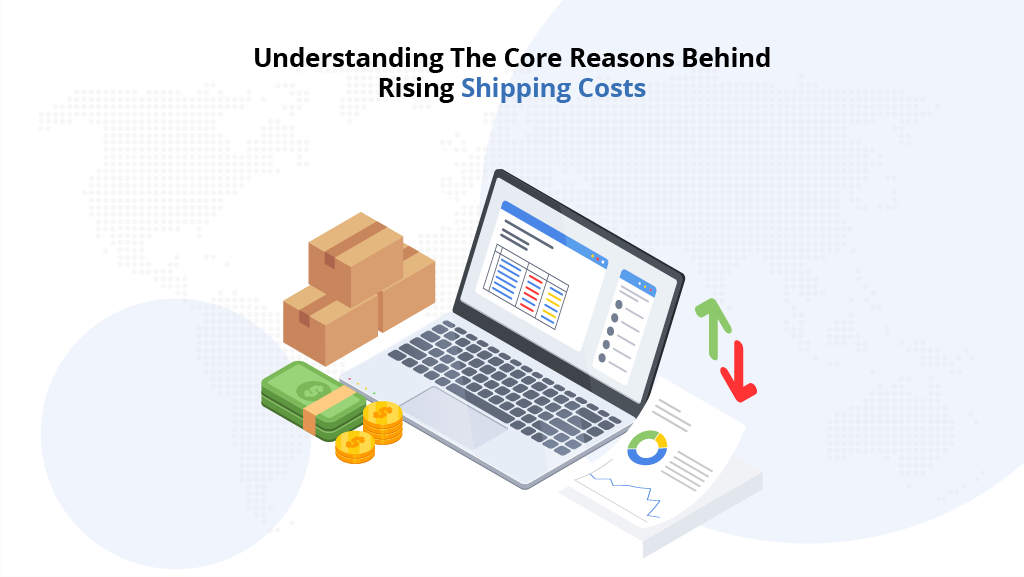
Understanding The Root Causes Of High Shipping Costs
To reduce shipping costs, you first need to understand why they are high. Many WooCommerce stores face the same issues, especially when they rely on a single fulfillment model.
One of the biggest reasons is shipping distance. Orders are often shipped from one central location. This increases delivery distance and cost. Businesses that operate across regions find it difficult to lower delivery expenses because every order travels a longer route.
Another issue is poor inventory distribution. When stock is not placed near customers, delivery becomes expensive. This is why many businesses struggle to reduce shipping costs even when they improve packaging or carrier rates.
You can also look at shipping cost factors to understand how distance, weight, and delivery zones affect pricing. These factors play a major role in overall shipping expenses.
Common reasons why businesses fail to decrease transport expenses include:
- Shipping from a single warehouse
- Lack of location-based fulfillment
- No control over delivery zones
- Manual shipping rules
To better manage inventory and reduce shipping costs, it is important to understand how to manage WooCommerce inventory across multiple locations efficiently without creating stock mismatches. This helps ensure that products are available closer to customers.
At this stage, it becomes clear that the problem is not just pricing. It is how your system is structured.
In the next section, we will look at common ways businesses try to lower transport expenses and why they are not enough.
3. Common Ways to Optimize Your Shipping and Offer Free Shipping (And Their Limits)

Popular Methods That Only Solve Part Of The Problem
Now that we understand why shipping costs are high, the next step is to look at how businesses try to reduce shipping costs. Most WooCommerce store owners follow common strategies. These methods are useful, but they only solve part of the problem.
Many guides suggest simple ways to lower delivery expenses. These include optimizing packaging, adjusting pricing, or negotiating better rates. While these are valid, they often provide limited long-term impact.
Let’s look at the most common ways to lower transport fees used by e-commerce businesses.
Basic Shipping Cost Reduction Methods
- Optimize packaging to reduce weight
- Negotiate better carrier rates.
- Use shipping zones to control pricing
- Offer free shipping thresholds
These methods can help reduce shipping costs in the short term. They are often the first step businesses take when trying to control expenses.
However, if you are wondering how to decrease shipping costs in a scalable way, these methods alone are not enough. They improve efficiency, but they do not address the core issue.
Why These Methods Have Limitations
| Method | Benefit | Limitation |
| Packaging optimization | Reduces the weight cost | Limited overall impact |
| Carrier negotiation | Lower rates | Depends on volume |
| Shipping zones | Better pricing control | Still distance-based |
| Free shipping offers | Increases conversions | Reduces profit margins |
These approaches help reduce shipping costs, but they do not eliminate inefficiencies in your system. The biggest limitation is that they do not change how orders are fulfilled.
To truly decrease transport expenses, businesses need to rethink their fulfillment strategy.
For example, understanding how to reduce WooCommerce shipping costs across multiple stores while maintaining efficiency can help you go beyond basic optimizations and focus on structural improvements.
Another important factor is how you handle stock availability.
Poor inventory planning can increase shipping distance and cost. Learning how WooCommerce backorders impact inventory planning and fulfillment across stores can help you avoid unnecessary shipping delays and extra costs.
At this stage, it becomes clear that basic methods help, but they do not solve the real problem. They improve parts of the system, but they do not fix the system itself.
In the next section, we will look at the highest hidden cost that most businesses overlook when trying to reduce shipping costs.
4. The Biggest Hidden Factor That Impacts Shipping Costs and How to Lower Costs
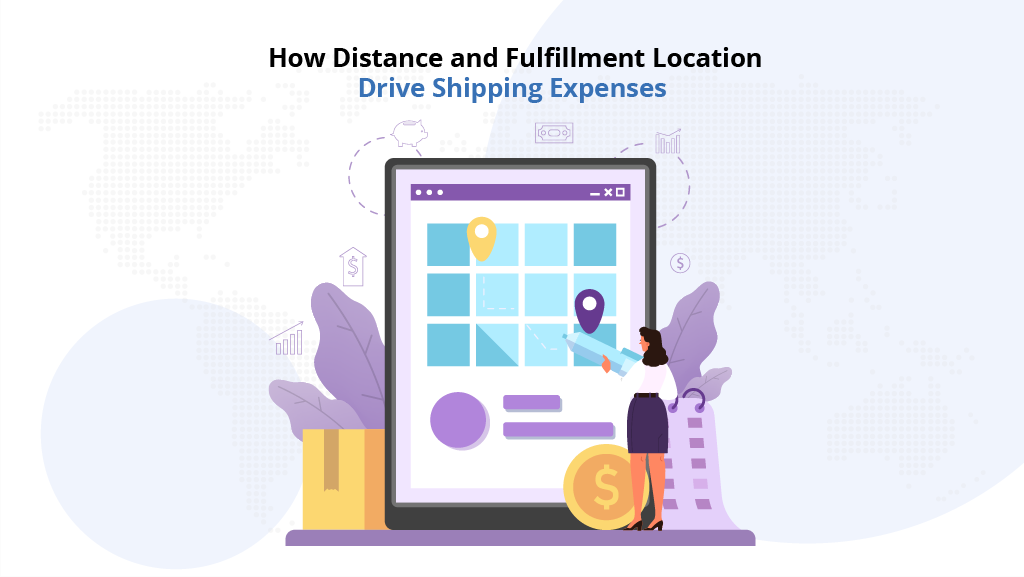
Why Distance And Inventory Location Drive Shipping Costs
So far, we have looked at common methods businesses use to reduce shipping costs. While these methods help, they do not address the core issue. The real cost driver in most WooCommerce stores is shipping distance.
Shipping distance directly impacts pricing. The farther a package travels, the more it costs. This is why businesses that rely on a single warehouse often struggle to lower transport fees, even after optimizing packaging or negotiating carrier rates.
This is also where the concept of reducing transportation costs in distribution networks becomes important. Instead of focusing only on rates, businesses need to focus on where products are stored and how orders are fulfilled.
Single Location vs Multi-Location Fulfillment
Many WooCommerce stores ship all orders from one location. This approach is simple, but it creates inefficiencies.
- Longer delivery distances
- Higher shipping costs
- Slower delivery times
In contrast, a distributed system allows businesses to reduce shipping costs by fulfilling orders from locations closer to customers.
Why Inventory Location Matters
When inventory is placed closer to customers, shipping becomes faster and cheaper. This is why modern inventory management systems focus on distribution rather than centralization.
Businesses that manage inventory across multiple locations can:
- Reduce shipping distance
- Lower delivery costs
- Improve customer satisfaction
This approach is one of the most effective ways to reduce shipping costs in the long run.
To better understand how scaling across locations impacts fulfillment, you can explore how to scale multiple WooCommerce stores efficiently without creating operational complexity as your business expands. This highlights how multi-location strategies improve efficiency.
The Core Problem Most Stores Miss
Most businesses focus on reducing shipping costs through pricing adjustments. However, they overlook the structure of their fulfillment system.
If all orders are shipped from one place, costs will remain high. Even the best pricing strategies cannot overcome inefficient logistics.
This is why simply looking for ways to reduce shipping costs is not enough. You need to rethink how your store handles fulfillment at a system level.
At this stage, it becomes clear that the real solution lies in changing how orders are processed and fulfilled.
In the next section, we will introduce a practical solution that directly addresses this problem and helps decrease transport expenses at scale.
5. How Multistore Addons for WooCommerce Help Reduce Shipping Costs

A Smarter System To Reduce Shipping Costs At Scale
Up to this point, one thing is clear. Most methods help you lower transport costs, but they do not fix the core problem. The real issue is not packaging or pricing. It is how your store fulfills orders.
If every order ships from a single location, your costs will always remain high. No matter how many ways you try to lower transport fees, the results will be limited.
This is where everything changes.
This is where Multistore Addons for WooCommerce becomes more than just a feature upgrade. It becomes the system that finally allows you to reduce shipping costs in a meaningful and sustainable way.
Instead of working around limitations, you start solving the problem at its source.
To see how this works in detail, you can explore Multistore Addons for WooCommerce and how it helps manage inventory, orders, and store operations from a single dashboard without complexity. This solution is built specifically for businesses that want to reduce shipping costs while scaling efficiently.
Distance-Based Shipping That Reflects Real Costs
One of the biggest reasons businesses struggle to lower transport fees is inaccurate pricing. Many stores charge flat rates that do not reflect actual delivery distance.
With distance-based shipping, you can calculate charges based on how far the order needs to travel. This means customers closer to your store pay less, and your margins stay protected.
- Charge based on actual distance
- Avoid overcharging or undercharging
- Align pricing with real delivery cost
This is one of the most practical ways to reduce shipping costs without sacrificing fairness or profitability.
Table Rate Shipping For Complete Pricing Control
Every business has different needs. Some orders are heavier. Some travel farther. A fixed pricing model cannot handle these variations.
Table rate shipping gives you full control over how you lower transport expenses. You can define rules based on weight, cart value, or distance.
To understand how flexible pricing models work, you can explore how table rate shipping helps define shipping rules based on weight, distance, and order value.
- Set custom pricing rules
- Adjust rates based on conditions
- Protect profit margins
This allows you to reduce shipping costs while maintaining control over your pricing strategy.
Multi-Location Inventory That Reduces Shipping Distance
This is the real game changer.
Instead of shipping every order from one warehouse, you can fulfill orders from the nearest location. This directly reduces shipping distance, which is the biggest cost factor.
- Fulfill orders from the closest store
- Reduce delivery time
- Lower shipping costs instantly
When inventory is distributed properly, you no longer need to rely on expensive long-distance shipping. This is how modern businesses lower transport fees at scale.
Local Pickup That Eliminates Shipping Costs Completely
Sometimes, the best way to reduce shipping costs is to remove shipping altogether.
Local pickup allows customers to collect orders from nearby locations. This removes delivery costs and improves convenience.
If you want to implement this effectively, you can learn how to set up local pickup in WooCommerce and allow customers to collect orders from nearby stores.
- Zero shipping cost
- Faster order fulfillment
- Better customer experience
This is one of the most powerful ways to lower logistic fees while increasing satisfaction.
Store-Based Fulfillment That Optimizes Every Order
With a multi-store system, each order is assigned to the most efficient location. This removes guesswork and ensures that shipping is always optimized.
- Orders are routed intelligently
- Shipping distances are minimized
- Costs are reduced automatically
This is how you move from reactive fixes to a proactive system that consistently helps you reduce shipping costs.
Why This Approach Works When Others Fail
Most solutions focus on small improvements. They help you reduce shipping costs slightly, but they do not change the system.
Multi-Store Addons for WooCommerce works differently.
It changes how your store operates.
- It connects inventory with location
- It aligns fulfillment with customer proximity
- It removes inefficiencies at the source
This is why businesses that adopt this approach are able to lower transport fees more effectively than those relying on traditional methods.
At this point, the difference is clear. You can continue using basic methods, or you can switch to a system designed to lower transport fees from the ground up.
In the next section, we will compare this approach with traditional single-store setups and see the impact on cost and efficiency.
6. Multi-Store vs Single-Store Fulfillment: Cost Comparison
Why Multi-Location Fulfillment Reduces Shipping Costs
Now that we have seen how a structured system can reduce shipping costs, it is important to compare it with traditional setups. This helps clarify why many WooCommerce stores struggle with high shipping expenses.
In a single-store model, all orders are shipped from one location. This creates longer delivery routes and higher costs. Even if you try different ways to lower transport fees, the results remain limited because the system itself is inefficient.
In contrast, a multi-store setup allows businesses to reduce shipping costs by fulfilling orders from the nearest location.
| Fulfillment Model | Shipping Cost | Efficiency |
| Single store | High | Low |
| Multi-store | Lower | High |
This difference is not small. It directly impacts profit margins and delivery speed.
Businesses that want to decrease delivery expenses consistently need to move toward distributed fulfillment instead of relying on a single warehouse.
At this stage, it becomes clear that structure matters more than small optimizations.
In the next section, we will look at how real businesses use these strategies to lower transport fees in practice.
7. Real-World Ways Businesses Save on Shipping Costs

Practical Examples Of Cost Reduction In Action
Now that we understand the difference between single-store and multi-store setups, let’s look at how businesses apply these strategies in real-world scenarios. This helps connect theory with actual results.
Many e-commerce businesses reduce shipping costs by changing how they fulfill orders. Instead of focusing only on pricing, they focus on efficiency.
Common examples include:
- Retail chains fulfilling orders from nearby stores
- Warehouses distributing inventory across regions
- E-commerce brands using hybrid fulfillment models
These approaches allow businesses to reduce shipping costs by shortening delivery distances and improving order routing.
For businesses handling large inventories, it is also important to understand how stock availability affects fulfillment. Learning how to manage inventory across multiple stores efficiently without creating stock mismatches can help improve delivery speed and reduce unnecessary shipping costs.
Another key factor is pickup flexibility.
Many businesses now lower transport fees by allowing customers to collect orders locally. You can explore how to manage local pickup efficiently in WooCommerce stores while maintaining flexibility across locations to implement this effectively.
At this stage, it becomes clear that reducing shipping costs is not just about cutting expenses. It is about building a smarter system that improves efficiency.
In the next section, we will look at what you should consider before choosing a shipping strategy.
8. What to Consider Before Choosing Shipping Software and Strategy
Key Factors That Affect Shipping Cost Decisions
Before choosing how to reduce shipping costs, it is important to evaluate your business needs. Not every strategy works for every store, especially as operations scale.
The goal is not just to decrease delivery charges temporarily, but to build a system that continues to perform as your business grows.
Key factors to consider include:
- Order volume and frequency
- Number of store locations
- Delivery zones and customer distribution
- Inventory placement across locations
Businesses that take these factors into account are better positioned to reduce shipping costs in a sustainable way.
For example, understanding how to set up local pickup correctly can help you eliminate unnecessary shipping costs and improve customer convenience. Similarly, using flexible shipping rules allows you to adapt pricing based on real conditions.
At this stage, it becomes clear that choosing the right strategy is just as important as executing it.
In the next section, we will explore why multi-location WooCommerce setups are becoming the future of shipping optimization.
9. Why Multi-Location WooCommerce Is the Future of International Shipping Optimization
The Shift Towards Distributed Fulfillment Systems
As e-commerce continues to grow, customer expectations are changing. Faster delivery and lower costs are no longer optional. Businesses must adapt if they want to stay competitive.
This is why more companies are moving toward multi-location systems. These setups allow businesses to lower transport fees by placing inventory closer to customers.
Instead of relying on a single warehouse, orders are fulfilled from the most efficient location. This improves delivery speed and reduces overall cost.
A distributed system also allows businesses to scale without increasing shipping expenses. As more locations are added, efficiency improves instead of declining.
At this stage, it becomes clear that the future of e-commerce is not centralized. It is distributed.
In the final section, we will summarize the smartest way to reduce shipping costs and build a system that supports long-term growth.
10. Conclusion: The Smartest Way to Reduce Shipping Costs
Build A System That Scales With Your Business
If you are serious about scaling and want to reduce shipping costs consistently, using a WooCommerce multi-store system is no longer optional. It is the most effective way to control costs and grow efficiently.
Reducing shipping costs is not about small fixes. It is about solving the root problem.
Basic methods can help you reduce shipping costs slightly. But they do not change how your store operates. The real solution is to build a system that connects inventory, locations, and fulfillment.
A multi-location approach allows you to lower transport fees by shortening delivery distance and improving efficiency. It also helps you scale without increasing expenses.
Multistore Addons for WooCommerce provides this system. It allows you to control how orders are fulfilled, where inventory is placed, and how shipping is calculated.
If your goal is to reduce shipping costs in a sustainable way, this is the approach that works.
With the right system in place, you can lower transport fees, improve delivery speed, and build a business that grows without operational friction.
Frequently Asked Questions About Reducing Shipping Costs
How Can Small Business Owners Reduce Shipping Costs Effectively?
Small business owners often struggle with rising delivery expenses. The best way to reduce shipping costs for small business operations is to combine smarter fulfillment with better pricing strategies.
You can reduce costs by choosing the right shipping carrier, optimizing packaging, and using discounted shipping rates. Many businesses also lower transport fees by improving inventory placement and using flexible shipping options.
Ways to Save on Shipping Costs?
There are several ways to save on shipping without affecting delivery quality. Businesses often reduce shipping costs by comparing shipping rates, selecting cost-efficient shipping services, and using bulk discounts.
Common strategies include:
- Negotiating discounted shipping with carriers
- Using flat-rate shipping when possible
- Choosing the most efficient shipping options
These methods help lower transport fees, but combining them with better fulfillment strategies delivers stronger results.
How Do Shipping Fees and Packaging Costs Affect Total Expenses?
Shipping fees are not limited to delivery charges. They also include packaging costs, handling, and additional services like shipping insurance.
To decrease delivery expense, businesses should:
- Minimize packaging size and weight
- Avoid unnecessary insurance charges
- Optimize packaging for lower dimensional weight
Reducing dimensional weight is especially important, as it directly impacts how carriers calculate shipping fees.
How Does Shipping Volume Impact Shipping Costs?
Shipping volume plays a key role in pricing. Businesses that ship more products often receive better rates from their shipping carrier.
Higher shipping volume allows you to:
- Access discounted shipping rates
- Lower cost per shipment
- Improve overall efficiency
This is why scaling operations can help lower transport fees over time.
What Is the Best Way to Calculate Shipping Costs Accurately?
To reduce shipping costs, it is important to calculate shipping correctly. This includes considering weight, distance, and delivery speed.
Businesses should evaluate:
- Shipping rate structures
- Cost per shipment
- Distance-based pricing
Accurate calculation helps identify areas where you can reduce costs and improve margins.
Can Flat-Rate Shipping Help Lower Shipping Costs?
Yes, flat-rate shipping can help simplify pricing and reduce shipping costs in certain cases. It is especially useful for products with a consistent size and weight.
However, it may not always be the best solution for all businesses. To truly lower your shipping costs, you need a combination of flexible pricing and optimized fulfillment.
How Can I Get Cheaper Shipping for My WooCommerce Store?
To get cheaper shipping, businesses should explore multiple strategies instead of relying on a single approach.
These include:
- Using discounted shipping services
- Optimizing packaging and dimensional weight
- Selecting the right shipping solutions
Combining these methods helps lower transport fees while maintaining delivery quality.
What Shipping Solutions Help Grow Your Business?
Choosing the right shipping solutions is essential if you want to grow your business. Efficient systems help decrease delivery expenses and improve customer satisfaction.
Modern businesses use:
- Smart shipping software
- Automated shipping services
- Flexible fulfillment systems
These tools help lower transport fees while supporting long-term growth.
Additional Considerations for Reducing Shipping Costs
When trying to reduce shipping costs, there are several additional factors that businesses should consider.
For shipping costs for small businesses, it is important to focus on both pricing and efficiency. This includes choosing the right shipping software, evaluating different shipping options, and working with the right shipping carrier.
Businesses looking for a way to cut shipping costs should also consider:
- Using discounted shipping for bulk orders
- Reducing packaging costs
- Optimizing shipping volume
- Selecting cheaper shipping methods
For stores dealing with international shipping, costs can increase due to distance and regulations. In these cases, it becomes even more important to choose efficient shipping services and reduce unnecessary expenses.
A structured approach helps businesses find a reliable way to cut expenses while maintaining quality. By combining better pricing strategies with smarter fulfillment, businesses can consistently decrease delivery expenses and improve profitability.